
Technology quietly shapes how you live, work, and connect every single day. When people ask “What is technology?”, they often think of phones or computers, yet the idea goes much deeper. Technology refers to tools, systems, and digital solutions designed to solve problems and improve efficiency. In today’s Digital landscape, it drives innovation across education, healthcare, and business.
Reliable Internet connectivity allows ideas to travel instantly, while Online communication keeps people connected across borders. From powering the Digital economy to supporting Enterprise networking, technology acts as the invisible backbone of modern life.
Understanding what technology really is helps you adapt, stay informed, and confidently navigate an increasingly digital world.
What Is Technology? Understanding the Digital World
What is technology? This question sits at the heart of the modern Digital landscape. In simple terms, technology includes tools, systems, and software that help you solve problems faster. Phones, apps, and smart devices quietly rely on Internet connectivity to simplify daily life.
At a deeper level, What is technology? It is the engine of the Digital economy, shaping how people work, learn, and connect. In the United States, businesses use Enterprise networking to link teams across Distributed locations, while individuals depend on reliable systems that feel effortless and human.
What Is the Internet and Why Is It So Important?

To understand progress, you must revisit What is technology? in the context of the internet. The internet operates as a Network of networks, joining millions of systems into one Global network. This design allows constant data transfer between people, companies, and services.
When you ask What is technology?, the answer always includes the internet. It powers Online communication, commerce, and media through strong Internet infrastructure, ensuring stable Internet performance even during heavy use.
How Does the Internet Work?
Many beginners exploring What is technology? eventually ask how the internet actually functions. Each online action breaks information into Data packets. These packets travel through Routers and devices, guided by a Routing policy that selects the fastest path.
Those packets move across the Network backbone using multiple Network hops managed by an Internet Service Provider (ISP). This invisible process explains how emails, videos, and searches appear instantly on your screen.
Key Components of the Internet You Should Know
A clear answer to What is technology? requires knowing the parts that keep the internet running. Physical systems like Routers, servers, and Fiber infrastructure form the core of modern connectivity. Together, they support massive volumes of Internet traffic.
Logical systems also matter. Autonomous System (AS) networks follow shared Routing policies and use an Autonomous System Number (ASN) to exchange traffic safely. These rules protect secure internet access worldwide.
What Is Cloud Computing?

When people ask What is technology?, cloud computing often surprises them. The cloud stores data and runs software on remote systems called Cloud-hosted applications. You access them instantly using the internet.
This model depends on High-bandwidth networks and Low-latency performance. Cloud platforms allow files to sync automatically and apps to scale smoothly, without users managing hardware themselves.
Types of Cloud Computing and How They Work
Understanding What is technology? also means knowing how cloud types differ. Public, private, and hybrid clouds exist to support different needs. Each relies on strong ISP reach, reliable Peering relationships, and flexible Network infrastructure.
| Cloud Model | Purpose | Advantage |
| Public Cloud | Apps and storage | Cost efficiency |
| Private Cloud | Sensitive data | Control |
| Hybrid Cloud | Mixed workloads | Flexibility |
What Is Artificial Intelligence (AI)?
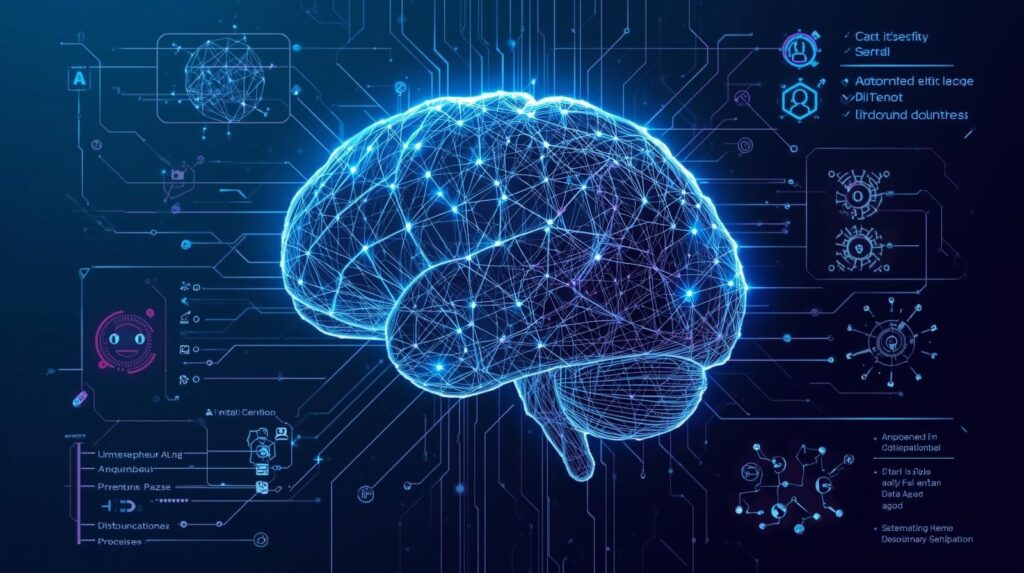
A modern explanation of What is technology? must include artificial intelligence. AI enables machines to recognize patterns and make decisions using data. This relies on advanced Artificial intelligence infrastructure operating at scale.
Today’s systems use Generative AI models to create content, assist users, and automate tasks. These AI-driven applications depend on Real-time processing to feel responsive and accurate.
How Internet, Cloud, and AI Work Together
To fully grasp What is technology?, you must see how systems connect. The internet moves information. Cloud platforms store and compute it. AI analyzes it. This trio supports Data-intensive applications used daily.
Together, they enable Business continuity, rapid innovation, and scalability. High-performance networks and Real-time data processing allow services to expand without breaking under demand.
Internet Security, Privacy & Data Protection Basics

Anyone asking What is technology? I should also think about safety. Network security measures protect data while it travels online. Encryption ensures Secure data transmission, while firewalls support Threat mitigation.
Providers add Malicious traffic blocking, constant Network monitoring, and 24/7 monitoring to ensure End-user protection. These layers build trust across digital services.
The Future of the Digital World

Looking ahead clarifies What is technology? in a changing world. Expanding Fiber-optic networks will improve Internet speed, while automation reshapes industries. Cloud and AI adoption will continue rising.
Future systems will focus on efficiency, privacy, and resilience. Performance optimization and Cybersecurity integration will remain critical as digital tools grow more powerful.
Why Understanding Technology Matters Today
In the end, what is technology? It is the foundation of modern opportunity. Knowing how systems work helps you stay safe, confident, and adaptable in a connected society.
As technology evolves, informed users thrive. By understanding internet systems, cloud platforms, and AI, you prepare yourself for a future driven by constant digital change.
FAQs
What are the 4 types of cloud computing?
The four main types of cloud computing are Public Cloud, Private Cloud, Hybrid Cloud, and Community Cloud. Public clouds are shared and cost-effective, private clouds are secure for businesses, hybrid clouds combine both, and community clouds are shared among organizations with common goals.
How do you explain AI to beginners?
Artificial Intelligence (AI) is technology that allows machines to learn, think, and make decisions like humans. Beginners can think of AI as smart software that recognizes patterns, predicts outcomes, or automates tasks, like virtual assistants or recommendation systems.
What are the 4 types of AI?
The four types of AI are Reactive Machines, Limited Memory, Theory of Mind, and Self-Aware AI. Reactive machines respond to inputs, limited memory can use past data, theory of mind understands emotions, and self-aware AI is a future concept with its own consciousness.
What are the 5 pillars of cloud computing?
The five key pillars of cloud computing are Scalability, Flexibility, Cost Efficiency, Security, and Reliability. Together, these pillars ensure cloud systems can grow, adapt, protect data, save money, and remain available at all times.
What are the 6 R’s of cloud computing?
The six R’s are Rehost, Refactor, Revise, Rebuild, Replace, and Retire. They describe strategies businesses use to move applications to the cloud, deciding whether to lift, modify, or replace systems.
What are the 4 pillars of technology?
The four pillars of technology are Hardware, Software, Connectivity, and Human Interaction. Hardware includes devices, software runs tasks, connectivity links systems via the internet, and human interaction ensures technology is used effectively.

Marvi Channa is the author at DailyNewsHub.site, sharing breaking news, tech updates, sports highlights, and trending global stories with clarity and credibility. She’s passionate about timely reporting and keeping readers informed fast