
A major data breach 2026 has just been confirmed and 50 million users are at risk. If you’ve received a data breach notification 2026 or simply heard about this incident in the news, you need to act fast. Understanding data breach 2026 what to do could be the difference between protecting your identity and suffering serious financial damage.
Cybercriminals work quickly. Within hours of a breach, stolen credentials land on dark web marketplaces. Within days, victims begin experiencing account takeovers, fraudulent charges, and identity theft. That’s why this guide exists to walk you through every step you need to take right now, from verifying your exposure to locking down your accounts for good.
Quick Stat: The average victim of identity theft after a data breach spends over 100 hours and loses more than $1,000 recovering from the damage. Acting in the first 72 hours dramatically cuts that risk.
What Happened? Understanding the Major Data Breach 2026
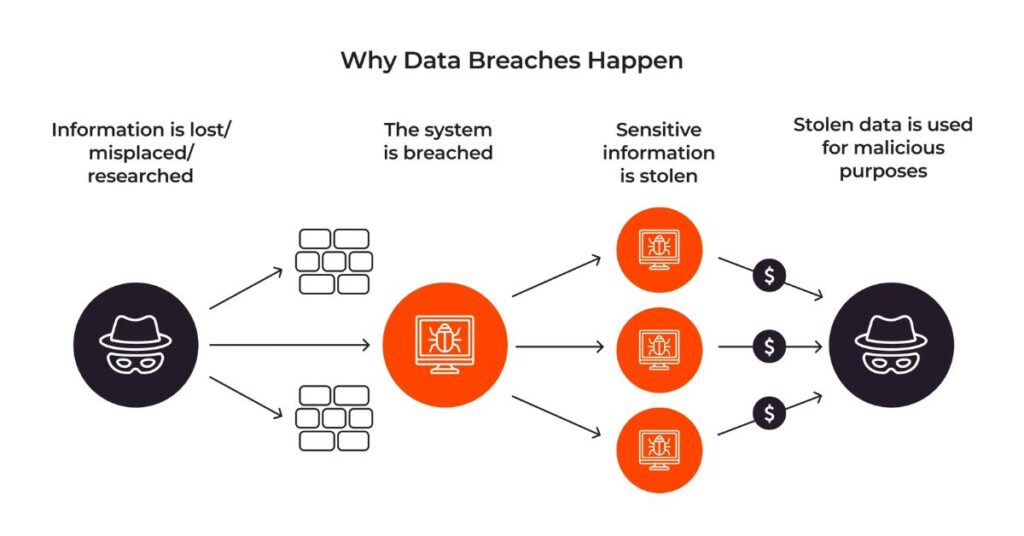
The latest major data breach 2026 exposed personal records belonging to over 50 million users worldwide. According to cybersecurity researchers, the compromised data includes full names, email addresses, hashed passwords, phone numbers, and in some cases, partial payment card details and home addresses.
The attackers reportedly exploited a combination of SQL injection vulnerabilities and credential stuffing techniques, two of the most common methods used in large-scale cyberattacks today. Once inside, they exfiltrated millions of records before the breach was even detected.
Whether you received an official data breach notification 2026 from the company or you’re proactively checking your exposure, the steps below apply to anyone who has ever used the affected platform.
How to Check If You Were Hacked: Verify Your Exposure First
Before taking any protective action, you need to confirm whether your data was actually compromised. Knowing how to check if you were hacked is the most important first move.
Use Have I Been Pwned 2026
Head to HaveIBeenPwned.com and enter your email address. This free tool maintained by globally respected security researcher Troy Hunt aggregates data from known breaches and instantly tells you whether your credentials appear in any leaked dataset. Have I Been Pwned 2026 has already been updated to include this latest incident, making it the fastest and most reliable first stop for any affected user.
Check Official Company Communications
Legitimate companies are legally required to notify affected users following a breach. Check your inbox including your spam folder for an official data breach notification 2026 email from the company. Important: do not click any links inside suspicious emails. Type the company’s web address directly into your browser instead.
Review Account Activity
Log in to your email, banking, and social media accounts. Look for unrecognized logins, password reset emails you didn’t request, unauthorized purchases, or any changes to your account settings. These are clear indicators of how to check if you were hacked beyond just exposed passwords; they signal active exploitation already underway.
Warning: Cybercriminals use real breach events to launch phishing campaigns. Fake “data breach notification 2026” emails are circulating right now. Always verify the sender’s domain before clicking anything.
My Data Was Breached : What Now? 10 Immediate Steps to Take
If you’ve confirmed your information was exposed, this is exactly what to do. My data was breached. What now is a question millions of people are asking today here are the answers.
1. Change Your Passwords Immediately Start with the breached account, then work through every account where you reused the same password. Use a password manager like Bitwarden or 1Password to generate strong, unique credentials (16+ characters with numbers and symbols) for each account going forward.
2. Enable Two-Factor Authentication (2FA) Turn on 2FA on every important account email, banking, social media, shopping platforms. Use an authenticator app such as Google Authenticator or Authy rather than SMS, which can be bypassed through SIM-swapping attacks.
3. Place a Credit Freeze Contact all three major credit bureaus Equifax, Experian, and TransUnion and place a credit freeze on your file. This is the single most powerful tool for preventing identity theft after data breach exposure from being used to open fraudulent credit accounts in your name.
4. Set Up a Fraud Alert If a credit freeze feels too restrictive, place a one-year fraud alert instead. Lenders must take extra steps to verify your identity before issuing new credit, giving you an added layer of protection.
5. Review Your Financial Statements Scan the last 60 to 90 days of bank and credit card statements for any unauthorized charges. Pay attention to small test transactions under $1 this is a common technique criminals use to validate stolen card numbers before making larger purchases.
6. Pull Your Credit Reports Get free credit reports from AnnualCreditReport.com. Look for accounts you didn’t open, hard inquiries you don’t recognize, unfamiliar addresses linked to your name, or any other suspicious entries.
7. Secure Your Email Account Your email is the master key to your entire digital life. Enable 2FA, review all apps connected to your account, check for hidden email forwarding rules (a favorite tactic of hackers), and update your recovery phone number and email address.
8. Update Security Questions If your breached data included your hometown, mother’s maiden name, or pet’s name, common security question answers change those questions and answers across every platform that uses them.
9. Notify Your Bank Call the customer service number on the back of your debit or credit card and inform them of the breach. Many banks will proactively issue a new card number or place a watch on your account as a precaution at no cost to you.
10. Consider an Identity Protection Service Services like Aura, LifeLock, or IdentityForce continuously monitor the dark web for your personal data, alert you to suspicious activity, and provide identity theft insurance typically ranging from $500,000 to $1 million.
How to Protect Yourself After a Hack: Long-Term Security Habits
Knowing data breach 2026 what to do in the short term is essential, but how to protect yourself after a hack requires building lasting cybersecurity habits that reduce your vulnerability in future incidents.
Switching to a Password Manager Password reuse is the primary reason one breach cascades into dozens of account compromises. A password manager ensures every account has a unique, complex password so if one site is breached, the damage stays contained.
Upgrade to Phishing-Resistant Authentication Consider investing in a hardware security key like a YubiKey, or adopt passkey authentication where available. These methods are far more resistant to phishing and SIM-swapping than standard SMS codes.
Audit and Shrink Your Digital Footprint Use services like DeleteMe or Privacy Bee to remove your personal information from data broker websites. The less data that exists about you online, the smaller your attack surface becomes.
Enable Login Notifications Most major platforms allow real-time alerts when your account is accessed from a new device or location. Turn these on for every account that offers them they give you immediate warning if someone gains unauthorized access.
Keep All Software Updated Unpatched software is one of the most exploited entry points for cybercriminals. Enable automatic updates on your operating system, web browser, and all installed applications to close known vulnerabilities before attackers can use them.
Identity Theft After Data Breach: Warning Signs to Watch For
Even after taking every protective step, you must remain vigilant. Identity theft after data breach exposure doesn’t always happen immediately; attackers sometimes wait weeks or months before using stolen data, counting on victims to relax their guard.
Watch for these warning signs in the months ahead:
- Bills or collection notices arriving for accounts you never opened
- Your credit score dropping unexpectedly with no clear reason
- Being denied credit or loans despite a clean history
- Unfamiliar accounts or hard inquiries appearing on your credit report
- IRS notifications about a duplicate tax return filed in your name
- Medical providers billing you for services you never received
- Being locked out of accounts due to email or password changes you didn’t make
If you notice any of these signs, report the identity theft immediately at IdentityTheft.gov. This creates an official FTC recovery plan and generates legal documentation that can help you dispute fraudulent accounts and recover faster.
Company Data Breach Response Steps: What Businesses Must Do
If you’re an IT professional or business owner dealing with this incident from the organizational side, following proper company data breach response steps is both a legal requirement and an ethical obligation.
Contain the Breach Immediately. Isolate affected systems from the network to prevent further data exfiltration while preserving forensic evidence. Do not shut down systems entirely this destroys critical log data investigators need.
Assess the Full Scope. Engage a cybersecurity forensics firm to determine how the attackers gained entry, what data was accessed, how long they had access, and exactly how many users are affected.
Notify Regulators Within Required Timeframes. GDPR requires notification to data protection authorities within 72 hours. Various US state laws including CCPA impose their own notification deadlines. Missing these windows results in significant fines.
Send an Official Data Breach Notification 2026. Notify affected users promptly, honestly, and clearly. The notification must explain what happened, what categories of data were exposed, what the company is doing about it, and what steps users should take to protect themselves.
Conduct a Root Cause Analysis. Once the immediate crisis is stabilized, investigate how the breach happened, patch the vulnerability, and implement stronger access controls, encryption standards, and monitoring systems to prevent recurrence.
Legal Note: Under GDPR, companies face fines of up to 4% of global annual revenue or €20 million whichever is higher for mishandling a breach. US penalties under state laws can add millions more.
What Happens to Your Data on the Dark Web
Understanding the lifecycle of stolen data helps illustrate why data breach 2026 what to do guidance emphasizes speed above everything else.
Within hours of a confirmed breach, stolen credentials are packaged and listed for sale on dark web marketplaces. Basic email and password combinations sell for as little as $1 to $10 per record. Full identity packages known in criminal circles as “fullz” that include Social Security Numbers, dates of birth, and financial account details command $30 to $100 or more per record.
Buyers use this information to conduct account takeovers, apply for credit cards and loans, file fraudulent tax returns, and commit medical identity fraud. The window between breach and exploitation is measured in hours, not days which is exactly why acting on data breach 2026 as to what to do immediately is so critical.
Dark web monitoring services scan these underground markets for your specific data. While you can’t remove your information once it’s been sold, early detection allows you to change your credentials before attackers successfully exploit them.
Frequently Asked Questions
How much compensation will I get for a data breach?
Compensation varies widely depending on the severity of the breach and your jurisdiction. In class action settlements, individual payouts typically range from $25 to $500, though victims who can prove direct financial harm like fraudulent charges or identity theft losses can claim significantly more. Some large settlements have paid out hundreds to thousands of dollars per person.
What do you do if your SSN is breached?
Act immediately. Place a credit freeze with all three bureaus (Equifax, Experian, TransUnion), set up fraud alerts, and check your credit reports for accounts you didn’t open. You can also contact the Social Security Administration to report misuse and consider requesting a new SSN in extreme cases of repeated fraud.
What should you do immediately after a data breach?
Change your passwords, enable two-factor authentication, freeze your credit, notify your bank, and check HaveIBeenPwned.com to confirm your exposure. The faster you act ideally within 24 to 72 hours the less damage cybercriminals can do with your stolen information.
Is it worth suing over a data breach?
It depends on your provable losses. Individual lawsuits are rarely worth the cost unless you suffered significant financial harm. Joining an existing class action lawsuit is usually the more practical and accessible route for most breach victims; it requires little effort and no upfront legal fees.
What is the average settlement per person for a data breach?
Most class action data breach settlements pay individual claimants between $100 and $350 on average. However, high-profile cases like the Equifax breach offered up to $20,000 for victims who could document out-of-pocket losses, with a baseline $125 cash option for everyone else.
Can I sue if my social security number is compromised?
Yes, you can. If a company’s negligence led to your SSN being exposed, you have legal grounds to pursue action either individually or as part of a class action. To strengthen your case, document all harm caused, including fraudulent accounts opened, time spent on recovery, and any financial losses directly tied to the breach.
Conclusion: Act on Data Breach 2026 What to Do Right Now
A major data breach 2026 affecting 50 million people is a serious wake-up call but being a breach victim doesn’t have to mean becoming an identity theft statistic. The steps in this guide give you everything you need to respond quickly and effectively.
Start right now: check your exposure on Have I Been Pwned 2026, change your passwords, enable two-factor authentication, freeze your credit, and monitor your financial accounts closely. Understanding data breach 2026 what to do is only valuable if you act on it today.
How to protect yourself after a hack is an ongoing commitment. Build the habits outlined in this article, stay informed about data breach notification 2026 updates from the affected company, and stay vigilant for signs of identity theft after data breach exposure in the months to come.
Your digital security is worth the effort. Share this guide the more people who know exactly what to do after a major data breach 2026, the safer everyone becomes.

Marvi Channa is the author at DailyNewsHub.site, sharing breaking news, tech updates, sports highlights, and trending global stories with clarity and credibility. She’s passionate about timely reporting and keeping readers informed fast