
Despite Apple’s reputation for polish and reliability, iPhone 16 users continue to face several persistent iPhone 16 problems in early 2026. If you’re experiencing iPhone 16 problems like battery drain, overheating, or touchscreen glitches, you’re definitely not alone. Thousands of users have reported iPhone 16 bugs and iPhone 16 issues ranging from Face ID failures to severe storage management problems consuming over 60GB of space.
Many of these iPhone 16 issues stem from iOS 26 software glitches, though some hardware-related iPhone 16 complaints persist, particularly with camera overheating and 5G connectivity drops. Whether you’re dealing with freezing screens, rapid battery depletion, or connectivity problems, understanding these common iPhone 16 problems and iPhone 16 defects is the first step toward resolution.
The good news? Most iPhone 16 problems have viable solutions. This comprehensive troubleshooting guide walks you through the seven most commonly reported iPhone 16 issues, explains the technical reasons behind these iPhone 16 bugs, and provides step-by-step fixes to get your device working smoothly again.
1. Battery Draining Faster Than Expected
One of the most frequent iPhone 16 problems and iPhone 16 complaints involves rapid battery depletion, even during light usage. Users report their battery percentage dropping significantly faster than their previous iPhones, sometimes requiring midday charging despite minimal use. This iPhone 16 battery drain issue affects all models including the iPhone 16, iPhone 16 Plus, iPhone 16 Pro, and iPhone 16 Pro Max.
Why It Happens:
Battery drain on new iPhones typically occurs for several reasons. During the first week of use, your iPhone performs background indexing and optimization tasks that consume extra power. iOS 26 updates have introduced new features and processes that demand more resources. Additionally, Apple Intelligence features, when enabled, require continuous processing that impacts battery life.
Solutions:
First, give your iPhone time to complete its initial optimization. New devices often need 5-7 days to fully index photos, messages, and other data. During this period, battery life will be noticeably worse.
Enable Low Power Mode by going to Settings > Battery > Low Power Mode. This reduces background activity and visual effects to extend battery life.
Review battery usage by app in Settings > Battery. Look for apps consuming excessive power and either limit their background refresh or delete them. Disable Apple Intelligence temporarily if you notice it’s draining your battery significantly.
Close unnecessary background apps, disable location services for apps that don’t need them, and reduce screen brightness or enable Auto-Brightness.
Apple’s Acknowledgment:
Apple has acknowledged battery optimization issues following major iOS updates and typically addresses them in subsequent patches. iOS 26.2.1 included some battery management improvements, though user reports suggest the issue isn’t completely resolved.
2. iOS 26 Compatibility Issues
The iOS 26 update has created significant iPhone 16 compatibility problems and iPhone 16 bugs, particularly affecting Face ID reliability, app performance, and system stability. These iPhone 16 issues with iOS 26 represent some of the most widespread iPhone 16 problems reported in 2026.
Specific Problems:
Users report Face ID working intermittently or requiring multiple attempts to unlock the device. After updating to iOS 26.2, many iPhone 16 owners experience apps crashing, freezing, or becoming completely unresponsive. Some users must restart their phones multiple times daily just to maintain basic functionality.
Wi-Fi and Bluetooth connections drop unexpectedly, requiring manual reconnection. The Phone app and other core Apple applications sometimes require repeated Face ID authentication.
Temporary Workarounds:
Restart your iPhone regularly using the volume up/down sequence followed by holding the side button. For Face ID issues, reset Face ID in Settings > Face ID & Passcode > Reset Face ID, then set it up again.
Update to the latest iOS version available, as Apple continues releasing patches addressing these bugs. If apps are crashing, try deleting and reinstalling the problematic applications.
For connectivity issues, reset network settings by going to Settings > General > Transfer or Reset iPhone > Reset > Reset Network Settings. Note that this will erase saved Wi-Fi passwords.
Expected Fix:
Apple typically addresses major compatibility issues within 2-4 weeks of widespread reports. Monitor for iOS 26.3 or subsequent updates that specifically mention fixes for these problems.
3. Camera Overheating During Video Recording
iPhone 16 models, particularly the Pro and Pro Max, experience overheating issues during extended video recording or camera use. This iPhone 16 overheating problem is among the top iPhone 16 hardware issues, with users reporting temperature warnings appearing during normal photography sessions, not just during intensive 4K recording. The iPhone 16 camera overheating issue has been widely documented across tech forums and Apple Support communities.
Temperature Conditions:
Overheating occurs more frequently in warm environments but has been reported even in moderate temperatures. The issue becomes worse when recording video for more than 10-15 minutes, using the Camera Control button extensively, or running camera-intensive apps like social media with continuous video features.
Which Models Are Affected:
While all iPhone 16 models can experience overheating, the iPhone 16 Pro Max receives the most complaints due to its larger battery and more powerful processor generating additional heat. The standard iPhone 16 and iPhone 16 Plus also report the issue, though less frequently.
Fix Steps:
Remove your iPhone case during extended camera sessions, as cases trap heat and prevent proper cooling. Avoid using the camera in direct sunlight or hot environments when possible.
Close all background apps before recording video to reduce processor load. Enable Airplane Mode if you don’t need connectivity while recording.
Update to the latest iOS version, as Apple has released thermal management improvements in recent updates. If you receive a temperature warning, stop using the camera immediately and allow the phone to cool in a shaded area.
Reduce video quality settings temporarily. Recording in 1080p instead of 4K generates less heat while still providing good quality footage.
Comparison to iPhone 15:
iPhone 15 Pro models also experienced overheating issues at launch, though Apple largely resolved them through software updates. The iPhone 16’s thermal problems appear less severe but more persistent, suggesting ongoing optimization is needed.
4. 5G Connectivity Drops
Many iPhone 16 users experience frequent 5G connection drops, making this one of the most frustrating iPhone 16 problems for those relying on cellular data. These iPhone 16 5G issues require users to toggle Airplane Mode or restart their device to restore connectivity, affecting calls, internet browsing, and app functionality.
Symptoms:
Your iPhone shows full 5G signal bars but has no actual data connection. Voice calls drop unexpectedly or won’t connect at all. Switching between Wi-Fi and cellular data fails to work properly.
Text messages don’t send despite showing sent status. Apps display “no internet connection” errors despite being connected to 5G.
Carrier-Specific Issues:
While the problem occurs across all major carriers, some users report worse experiences with certain providers. The issue appears to be software-related rather than carrier-specific, though network congestion can exacerbate the problem.
Settings to Check:
First, verify your carrier settings are updated by going to Settings > General > About. If an update is available, you’ll see a prompt to install it.
Try toggling Airplane Mode on and off to reset your cellular connection. Go to Settings > Cellular > Cellular Data Options and ensure 5G is set to “On” or “5G Auto.”
Reset network settings as mentioned earlier. This often resolves persistent connectivity issues by clearing corrupted network configurations.
If problems persist, try disabling 5G temporarily by selecting “LTE” in cellular settings to see if your connection stabilizes.
Contact Apple Support?:
If basic troubleshooting doesn’t resolve the issue after a week, contact Apple Support. They can run diagnostics remotely and determine if there’s a hardware problem with your cellular modem requiring device replacement.
5. Screen Responsiveness Glitches
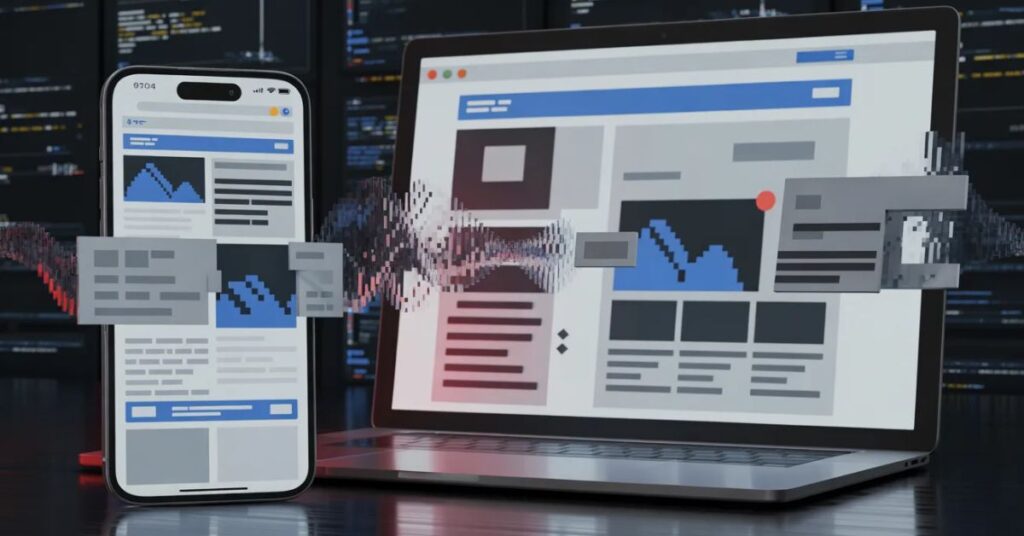
iPhone 16 touchscreen issues and iPhone 16 screen freezing problems were among the first iPhone 16 problems reported after launch and continue affecting users, though less frequently than initially. These iPhone 16 display bugs remain a significant concern for many owners.
Where Users Notice It:
The most common complaint involves the screen freezing when users rest their palm or fingers near the edges, particularly around the Camera Control button. Some users experience the opposite problem: the touchscreen becomes overly sensitive, registering accidental touches.
Ghost touches occasionally occur, with the screen responding to inputs that weren’t made. Swiping gestures sometimes fail to register, requiring multiple attempts.
Software vs Hardware Issue:
Apple confirmed this is primarily a software issue related to the palm rejection algorithm being overly aggressive. The slimmer bezels on iPhone 16 models make it easier for skin to contact the screen edges, triggering the rejection feature incorrectly.
Troubleshooting Guide:
Update to iOS 18.0.1 or later immediately. Apple officially patched the most severe touchscreen freezing issues in this update. However, if your phone shipped with iOS 18.0, it won’t auto-update, so check manually.
Adjust your grip to keep palms away from screen edges, especially near the Camera Control button. Use a case with raised edges, as this physically prevents palm contact with the screen and solves the problem for many users.
If you experience overly sensitive touch response, try adjusting your grip or temporarily disabling certain touch features. Restart your iPhone if touchscreen issues suddenly appear, as this often resolves temporary glitches.
For persistent problems after updating iOS, visit an Apple Store for hardware diagnostics to rule out a defective digitizer.
6. Face ID Not Working Consistently
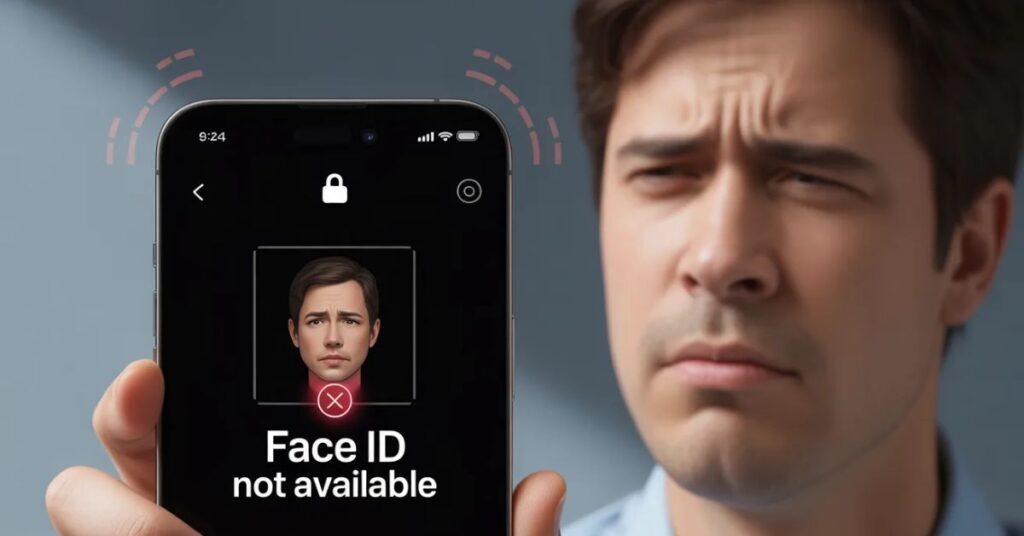
Face ID reliability has significantly degraded following iOS 26 updates, making this one of the most reported iPhone 16 problems in February 2026. Users experiencing iPhone 16 Face ID issues report slower recognition, frequent failures, and intermittent functionality that requires passcode entry multiple times daily. These iPhone 16 Face ID bugs have become a major source of iPhone 16 complaints.
Common Scenarios:
Face ID works for several hours, then suddenly stops functioning until the phone is restarted. Recognition becomes noticeably slower, with a visible delay between face detection and unlocking.
Face ID fails when attempting to unlock the phone at chest height or in non-ideal angles that previously worked fine. The Phone app and other applications repeatedly request Face ID authentication within short timeframes.
After iOS 26.2 and 26.2.1 updates, some users report Face ID stopping completely, displaying “Face ID is not available” messages.
Settings Adjustments:
Clean the TrueDepth camera area on the front of your phone with a soft, lint-free cloth. Smudges or screen protectors can interfere with facial recognition.
Ensure nothing is covering the front-facing camera or Face ID sensors. Some screen protectors, particularly those with thick borders, can block the sensors.
Reset Face ID completely by going to Settings > Face ID & Passcode > Reset Face ID. Then set it up again, ensuring you complete the full face scanning process in good lighting.
Set up an alternate appearance if your look varies significantly throughout the day (glasses on/off, different hairstyles, etc.).
Update to the latest iOS version, as Apple continues releasing patches to address Face ID reliability issues introduced in iOS 26.
When to Visit Apple Store:
If Face ID continues failing after resetting it twice and updating iOS, visit an Apple Store. The TrueDepth camera module may have a hardware defect requiring replacement. Apple has replaced affected devices under warranty when hardware failure is confirmed.
7. Storage Management Problems

iPhone 16 users face severe iPhone 16 storage issues following iOS 26 updates, with System Data consuming massive amounts of space sometimes 30-60GB or more regardless of how much users delete. This represents one of the most serious iPhone 16 problems currently affecting devices, particularly the 128GB models. The iPhone 16 storage bug has left many users unable to use their phones properly.
iOS Storage Bugs:
After updating to iOS 26, System Data grows exponentially, sometimes filling all available space within hours or days. Deleting apps and files provides only temporary relief, as System Data immediately expands to consume the freed space.
Users report being unable to install updates, receive emails, or use apps because storage is completely full, despite having recently deleted large amounts of content. Some iPhone 16 owners with 128GB models find their phones essentially unusable due to this storage bug.
iOS update files sometimes fail to install properly, leaving massive temporary files that consume 70-90GB of space.
How to Reclaim Space:
Restart your iPhone first. A simple restart can clear several hundred megabytes of temporary system files. Hold volume up, then volume down, then hold the side button until you see the Apple logo.
Offload unused apps by going to Settings > General > iPhone Storage and selecting “Offload Unused Apps.” This removes the app but keeps its data, freeing space without losing information.
Clear Safari cache by going to Settings > Safari > Clear History and Website Data. This can free several gigabytes depending on your browsing history.
Delete and reinstall apps that show excessive cache usage. This forces the app to start fresh without accumulated cache files.
If System Data remains bloated, back up your iPhone to iCloud or a computer, then erase your device and restore from backup. This is the most reliable fix but requires time and preparation.
For extreme cases where you can’t even create a backup due to lack of space, you may need to connect your iPhone to a Mac or PC and use Finder (Mac) or iTunes (Windows) to perform a restore while preserving data.
iCloud Issues:
Some users report iCloud Drive syncing issues contribute to storage problems. Try toggling iCloud Drive off temporarily (Settings > [Your Name] > iCloud > iCloud Drive) to see if storage readings stabilize. Be cautious, as this may affect file accessibility.
Disable automatic Apple Intelligence downloads if storage is critically low, as these models can consume 10-16GB of space.
Apple’s Response:
Apple has acknowledged storage management bugs in iOS 26 through community forums, though no official statement has been released. Multiple users report Apple Store representatives confirming the issue and recommending the backup/restore process as the only current fix. Apple is expected to address this in an upcoming iOS 26.3 or 26.4 update.
Should You Wait to Buy iPhone 16?
With iOS 26 causing significant iPhone 16 problems for current owners, prospective buyers should carefully consider timing before purchasing. Understanding the current state of iPhone 16 issues can help you make an informed decision about whether to buy now or wait.
Current Status of Issues:
Most touchscreen problems have been resolved through iOS updates, though some users still report minor glitches. Battery drain issues are improving but not completely fixed, especially for users with Apple Intelligence enabled.
Storage management bugs remain the most serious unresolved problem, affecting users with 128GB models most severely. Face ID reliability has degraded significantly post-iOS 26 and awaits comprehensive fixes.
Overheating during camera use persists but is less severe than at launch. Connectivity issues vary by carrier and individual device, with no universal solution yet available.
Expected Timeline for Fixes:
Apple typically resolves major bugs within 2-3 months of widespread reporting. iOS 26.3 is expected in late February or early March 2026 and should address Face ID and storage issues based on beta testing feedback.
Complete resolution of all iOS 26-related problems may not occur until iOS 26.4 or even iOS 27 (expected Fall 2026).
Alternative iPhone Models:
If you need a reliable device immediately, consider the iPhone 17 (released in late 2025), which is seeing strong demand and fewer reported issues. The iPhone 15 Pro models, now discounted, offer proven stability with mature iOS 18 optimization.
The iPhone 16 isn’t a bad device—it offers excellent hardware and features but software stability remains a concern. If you can wait 4-6 weeks, upcoming iOS updates should resolve most current issues.
Frequently Asked Questions About iPhone 16 Problems
Are there any problems with the iPhone 16?
Yes, iPhone 16 users are experiencing several notable issues in 2026. The most common problems include rapid battery drain, touchscreen freezing (especially near the Camera Control button), Face ID reliability issues after iOS 26 updates, severe storage management bugs with System Data consuming 30-60GB, camera overheating during extended use, 5G connectivity drops, and various app compatibility issues. Most of these stem from iOS 26 software bugs rather than hardware defects.
Is it worth buying an iPhone 16?
It depends on your timing and needs. The iPhone 16 offers excellent hardware with meaningful upgrades over the iPhone 15, including improved cameras, better performance, and useful new features. However, iOS 26 has introduced significant software stability issues that make it less reliable right now. If you need a phone immediately, consider the iPhone 17 (released late 2025) or wait 4-6 weeks for iOS 26.3, which should resolve most current bugs. The 128GB model should be avoided due to severe storage issues.
Is there a problem with the iPhone 16 getting hot?
Yes, overheating is a confirmed issue, particularly during video recording or intensive camera use. The iPhone 16 Pro Max receives the most complaints, though all models can overheat. Users report temperature warnings appearing even during normal photography sessions, not just 4K video recording. The problem worsens in warm environments or when using the phone with a case. Apple has released some thermal management improvements through iOS updates, but the issue persists for many users, especially during extended camera sessions.
Is the iPhone 16 a success or failure?
The iPhone 16 is neither a major success nor a complete failure it’s performing adequately but below expectations. Initial pre-orders were down about 12% compared to iPhone 15, and the delayed rollout of Apple Intelligence features hurt early adoption. However, the base iPhone 16 models sold better than expected, though this actually cannibalized Pro model sales. Sales have been steady rather than spectacular, making it a moderate commercial success but not the blockbuster Apple hoped for.
Why did the iPhone 16 flop?
The iPhone 16 didn’t exactly “flop,” but it underperformed due to several factors. Apple Intelligence features weren’t available at launch, removing a key selling point. The base models were so improved that many customers saw no reason to pay extra for Pro models. There wasn’t a compelling upgrade reason for iPhone 14 or 15 users. Additionally, widespread reports of bugs and issues (particularly with iOS 26 compatibility) have dampened enthusiasm and caused many potential buyers to delay their purchase or choose the iPhone 17 instead.
Should I wait for iPhone 16 or 17?
You should strongly consider the iPhone 17 instead. The iPhone 17 was released in late 2025 and is now the current model with better features, improved performance, and fewer reported issues. The iPhone 16 is already over a year old and facing significant software problems with iOS 26. Unless you find a substantial discount on the iPhone 16 (and avoid the 128GB model), the iPhone 17 offers better value, more stability, and will receive software support for longer. If budget is a concern, even the discounted iPhone 15 Pro might be a better choice than the problematic iPhone 16 right now.
Conclusion
Most iPhone 16 problems stem from software issues related to iOS 26, particularly affecting Face ID, storage management, and battery life. While these iPhone 16 bugs and iPhone 16 issues are frustrating, the good news is that software-based iPhone 16 problems can be fixed through updates, and Apple has a strong track record of addressing reported issues relatively quickly.
Understanding iPhone 16 Problems in 2026:
The iPhone 16 problems discussed in this guide from iPhone 16 battery drain to iPhone 16 overheating, iPhone 16 touchscreen issues, iPhone 16 Face ID failures, and iPhone 16 storage bugs—are primarily software-related. This means upcoming iOS 26 updates should resolve most of these iPhone 16 complaints.
Apple’s Typical Response Time:
Apple generally releases patches for widespread issues within 3-4 weeks of significant user reports. Critical bugs affecting device usability often receive emergency updates even faster. Based on community discussions and Apple Store feedback, comprehensive fixes are expected in iOS 26.3 (targeting late February/early March 2026).
Submit Feedback to Apple:
If you’re experiencing any of these issues, report them directly to Apple to help prioritize fixes. You can submit feedback athttps://www.apple.com/feedback/iphone.html. The more reports Apple receives about a specific issue, the faster they typically address it.
For immediate assistance, contact Apple Support athttps://support.apple.com or visit an Apple Store Genius Bar, especially for hardware-related concerns like Face ID failures or persistent overheating.

Marvi Channa is the author at DailyNewsHub.site, sharing breaking news, tech updates, sports highlights, and trending global stories with clarity and credibility. She’s passionate about timely reporting and keeping readers informed fast