
By 2026, Ozempic has become one of the most talked-about prescription medications in America. Originally developed to manage type 2 diabetes, semaglutide has shown remarkable ozempic weight loss results that have placed it firmly in the national conversation about obesity medicine. Millions of Americans are now either using it, considering it, or curious about what real people experience on it.
This guide covers real ozempic before and after stories, honest timelines, a thorough look at ozempic side effects, comparisons to competing drugs, cost and access information, and expert tips to get the most from treatment.
Medical Disclaimer: This article is for informational purposes only and does not constitute medical advice. Ozempic is a prescription medication. Always consult a licensed healthcare provider before starting, changing, or stopping any medication.
What Is Ozempic and How Does It Work?
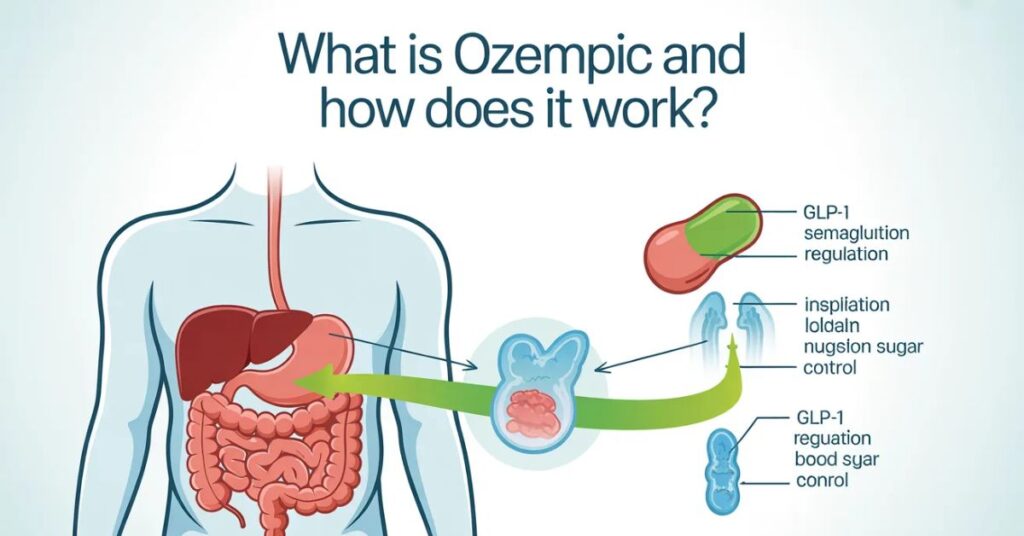
Ozempic is the brand name for semaglutide, a GLP-1 (glucagon-like peptide-1) receptor agonist made by Novo Nordisk. GLP-1 is a hormone your gut naturally releases after eating. It signals your pancreas to release insulin, slows stomach emptying, and sends satiety signals to the brain reducing hunger and cravings.
The FDA originally approved Ozempic in December 2017 as a treatment for type 2 diabetes in adults. Its weight loss effects were noted early in clinical trials, eventually leading to a separate higher-dose version, Wegovy, approved specifically for chronic weight management in 2021.
Ozempic itself remains FDA-approved only for type 2 diabetes, though physicians may legally prescribe it off-label for weight loss. It is administered as a once-weekly subcutaneous injection, with doses starting at 0.25 mg and titrating up to 0.5 mg, 1 mg, or 2 mg based on response and tolerability.
Clinical trials have shown average weight reductions of 10–15% of body weight over 68 weeks — substantially more than most previously available medications.
Real Ozempic Weight Loss Results (2026 User Stories)

Individual results vary based on starting weight, diet, activity level, genetics, and dosage. The following stories are representative of real user experiences. Names have been changed for privacy.
Story 1 — Maria, 44: 42 lbs lost in 9 months
Maria started at 218 lbs (BMI 36.2) with a prediabetes diagnosis. She began at 0.25 mg weekly, titrated to 1 mg, and paired the medication with a Mediterranean-style diet and 30-minute daily walks. By month three she had lost 18 lbs; by month nine, 42 lbs. Her prediabetes classification was removed at her 12-month checkup. Her main challenge was significant nausea during weeks two through six, managed by eating smaller, lower-fat meals.
Story 2 — James, 58: 28 lbs lost in 6 months
James was prescribed Ozempic primarily for type 2 diabetes management. Without dramatic lifestyle changes beyond reducing portion sizes and cutting alcohol, he lost 28 lbs over six months and his A1C dropped from 8.2 to 6.4. He experienced constipation and early fatigue, both of which resolved. He stresses the importance of managing expectations — his results were slower than many online stories suggested.
Story 3 — Priya, 36: 45 lbs lost over 18 months
Priya had PCOS and a history of yo-yo dieting. She lost 31 lbs in the first nine months, plateaued, then titrated to 2 mg and lost an additional 14 lbs. At 18 months she had lost 45 lbs total and has maintained that loss something she describes as transformative compared to every previous attempt.
Average weight loss by timeframe (clinical data):
| Timeframe | Avg. % Body Weight Lost | Avg. lbs Lost (200 lb baseline) |
| 12 weeks | 3–5% | 6–10 lbs |
| 6 months | 7–10% | 14–20 lbs |
| 1 year | 10–15% | 20–30 lbs |
| 68 weeks (SUSTAIN trials) | Up to 15% | Up to 30 lbs |
Approximately 10–15% of users are classified as non-responders and experience minimal weight loss.
Ozempic Before and After: What to Expect Timeline
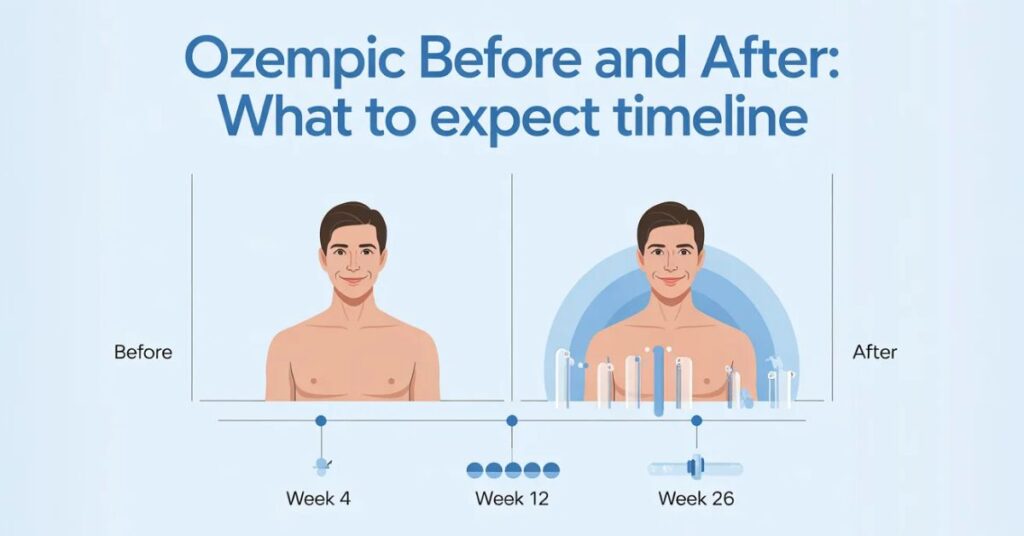
Weeks 1–4: You are on the starter dose of 0.25 mg. Appetite reduction begins within one to two weeks. Physical weight loss is modest — typically two to five pounds. Side effects are most likely to appear during this phase. Focus on building new eating habits.
Months 2–3: As the dose increases to 0.5–1 mg, appetite suppression becomes more pronounced. Weight loss becomes clearly visible to most users. Average loss at three months is roughly 5–10% of starting body weight. Energy levels improve as initial side effects subside.
Months 4–6: Steady continued loss. Users who combine medication with high-protein diets and consistent exercise report the strongest results. Cumulative loss of 10–15 lbs is common, with higher losses in those with greater starting weight.
Month 6+: Weight loss plateaus are common. The body adapts to lower calorie intake. Dose adjustments, resistance training, and dietary cycling can help break plateaus. Many patients use Ozempic long-term for maintenance, as stopping the drug is associated with significant weight gain in most users.
Common Ozempic Side Effects (Updated 2026)
Most common:
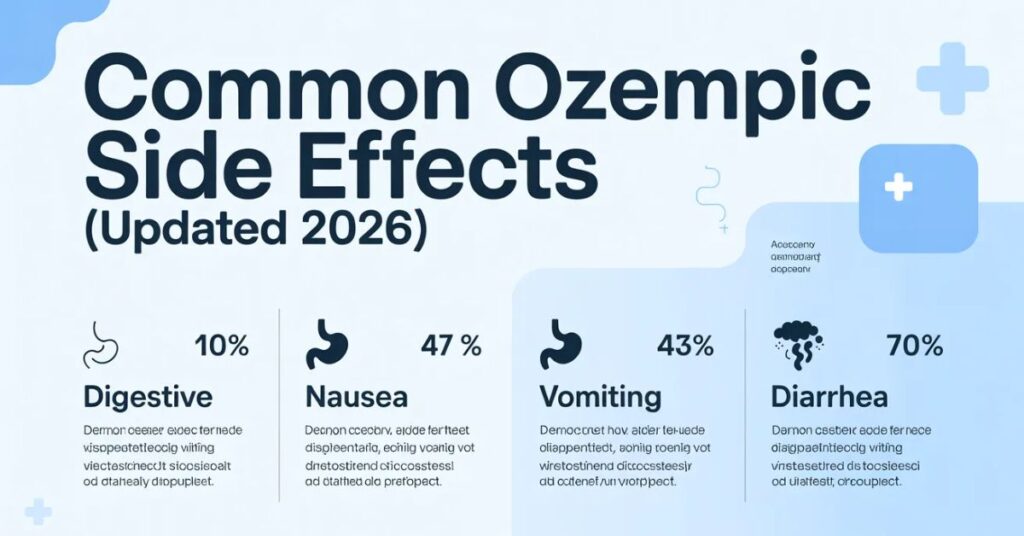
Nausea affects 20–40% of users, peaking during the first four to eight weeks and diminishing with time. Eating smaller, lower-fat meals and avoiding eating right before injection helps most people. Vomiting occurs in roughly 10–15% of users during titration. Diarrhea or constipation (sometimes alternating), fatigue, mild dizziness, and injection site reactions are also frequently reported and generally resolve within the first one to two months.
Serious side effects to watch for:
Pancreatitis — severe, persistent abdominal pain radiating to the back requires emergency care immediately. Ozempic carries an FDA boxed warning for risk of thyroid C-cell tumors; patients with a personal or family history of medullary thyroid carcinoma or MEN 2 syndrome should not use this medication. Dehydration from GI side effects can worsen kidney function. Some patients with diabetic retinopathy have reported vision changes. Hypoglycemia risk increases when combined with insulin.
Contact your doctor if you experience persistent vomiting, severe abdominal pain, a lump or swelling in your neck, signs of an allergic reaction, sudden vision changes, or symptoms of low blood sugar.
Ozempic vs. Other Weight Loss Drugs
| Drug | Active Ingredient | Avg. Weight Loss | Est. Monthly Cost |
| Ozempic | Semaglutide | 10–15% | $900–$1,000 |
| Wegovy | Semaglutide (higher dose) | 12–17% | $1,300–$1,400 |
| Mounjaro / Zepbound | Tirzepatide | 15–22% | $1,000–$1,200 |
| Saxenda | Liraglutide | 5–8% | $1,300–$1,500 |
| Qsymia | Phentermine/Topiramate | 7–11% | $150–$250 |
Wegovy uses the same active ingredient as Ozempic at a higher maximum dose (2.4 mg vs. 2 mg) and is specifically approved for weight management, which can improve insurance coverage. Monjaro and Zepbound target both GLP-1 and GIP receptors, which accounts for their superior average weight loss. The best choice depends on your medical history, cost situation, and goals, a decision best made with an endocrinologist or obesity medicine specialist.
How to Get Ozempic for Weight Loss
Ozempic require a prescription. For off-label weight loss use, physicians typically prescribe it for patients with a BMI of 30 or higher, or 27+ with weight-related conditions like hypertension or high cholesterol.
Insurance coverage is inconsistent. When prescribed for type 2 diabetes, many commercial and Medicare Part D plans cover it. For off-label weight loss use, coverage varies widely — always verify with your insurer before starting.
Without insurance, list price runs approximately $935–$1,000 per month. Novo Nordisk offers a savings card for eligible commercially insured patients. Telehealth platforms including Ro, Hims/Hers, and Noom Med offer virtual consultations and can streamline access. Compounded semaglutide has been available through FDA-authorized pharmacies during shortage periods, though regulatory rules around compounding have tightened as supply stabilized — verify your pharmacy’s standing carefully.
Expert Tips for Better Ozempic Results
Diet: Use the reduced appetite as an opportunity to shift to a high-protein, nutrient-dense eating pattern. Aim for 25–30% of calories from lean protein to preserve muscle mass. Smaller, more frequent meals are better tolerated than large ones. A Mediterranean or DASH-style approach aligns well with the appetite changes most users experience.
Exercise: At least 150 minutes of moderate aerobic activity per week is recommended. Adding resistance training two to three times weekly is critical. GLP-1-driven weight loss can include meaningful muscle loss alongside fat loss, and strength training helps protect against this.
Managing side effects: Many users prefer injecting on a day when they can rest if nausea occurs. Ginger tea, smaller portions, and staying upright after eating help. If side effects are severe or persistent, a slower titration schedule may be appropriate to talk to your provider.
From the experts: “The patients who do best on semaglutide use the reduced appetite as an opportunity to build lasting dietary habits, not simply eat less of the same foods,” notes a board-certified endocrinologist. “The medication gives you a window. What you do with that window determines your long-term outcome.”
Is Ozempic Worth It? Pros and Cons

Benefits: Clinically proven 10–15% weight loss, once-weekly dosing, cardiovascular risk reduction demonstrated in the SUSTAIN-6 trial, improved blood sugar control, reduced hunger and cravings that make dietary changes more sustainable, and durable results while on the medication.
Drawbacks: High cost without insurance, significant GI side effects in the first one to three months, strong likelihood of weight regain after stopping (studies show approximately two-thirds of lost weight returns within one to two years of discontinuation), uncertain insurance coverage for off-label use, and limited long-term safety data beyond five years.
Who should avoid it: Patients with a personal or family history of medullary thyroid carcinoma or MEN 2, history of pancreatitis, pregnancy or breastfeeding, severe gastrointestinal disease such as gastroparesis, or patients under 18.
Alternatives: Tirzepatide (Mounjaro/Zepbound), liraglutide (Saxenda), bupropion-naltrexone (Contrave), orlistat (Alli/Xenical), phentermine-topiramate (Qsymia), and bariatric surgery for eligible patients with severe obesity.
Conclusion
Ozempic weight loss results are, by any clinical measure, among the most significant ever achieved by a non-surgical intervention. For the right patient — under proper medical supervision and supported by genuine lifestyle changes — it represents a meaningful breakthrough in obesity medicine. It is not a cure, not risk-free, and not a substitute for a healthy diet and regular movement. But it gives patients a powerful biological advantage that, used wisely, can produce lasting change.
If you are considering ozempic for weight loss, consult your primary care provider or an obesity medicine specialist. Make the decision based on your individual medical history, not social media headlines.
Sources: Novo Nordisk SUSTAIN clinical trial data; FDA drug labeling for Ozempic; NEJM (Wilding et al., 2021); American Diabetes Association Standards of Medical Care 2025; Obesity Medicine Association clinical guidelines. This article is for informational purposes only and does not substitute for professional medical advice.

Marvi Channa is the author at DailyNewsHub.site, sharing breaking news, tech updates, sports highlights, and trending global stories with clarity and credibility. She’s passionate about timely reporting and keeping readers informed fast
Pingback: Bitcoin Price Prediction Today (Feb 8, 2026): Expert BTC Analysis