
Understanding how startups make money can feel confusing at first, especially when many young companies focus on growth instead of profits. Unlike traditional businesses, startups often build value long before real cash flows in. They experiment with ideas, attract users, and prove demand before scaling revenue. In the US market, income can come from salaries, ownership, or long-term exits.
Concepts like Founder compensation, Startup founder salary, and Founder equity ownership play a major role in early stages. Over time, equity appreciation becomes more important than paychecks. Knowing how startups make money helps founders and investors set realistic expectations, make smarter decisions, and avoid common mistakes that slow growth or destroy value.
How Startups Make Money – Simple Explanation for Beginners
At a basic level, how startups make money depends on value creation before value extraction. A startup usually starts by solving a painful problem. Early on, the company may earn little or nothing. Instead, it focuses on users, traction, and momentum. This approach confuses beginners who expect instant profits.
In practice, how startups make money often means increasing company value first. A startup with strong growth, loyal users, and scalable systems becomes valuable even if profits are low. This is why how startup founders make money looks different from regular jobs. Money often comes later through ownership, not monthly income.
Founder Salary – One Way How Startups Make Money for Founders

A startup founder salary is usually the first form of income. Many ask, Do startup founders get a salary? Yes, but it’s controlled and intentional. A board-approved founder salary exists to keep founders focused, not wealthy. This salary is part of overall Founder compensation planning.
In the US ecosystem, Founder pay by stage follows clear patterns. During Seed funding, founders earn modest income. As the company grows through Series A, Series B, Series C, salaries increase. This explains when founders take a salary and answers how much do founders get paid? without harming growth.
| Funding Stage | Typical Founder Salary (USD) |
| Pre-Seed | $0 – $60,000 |
| Seed | $60,000 – $90,000 |
| Series A | $90,000 – $130,000 |
| Series B | $130,000 – $180,000 |
| Series C+ | $180,000 – $250,000 |
This income is called Founder cash compensation. It supports basic living while equity builds long-term wealth.
Equity Ownership – The Core of How Startups Make Money

The real answer to how startups make money lies in Founder equity ownership. Equity represents ownership in the company. Unlike salary, equity grows in value as the company scales. This is how equity makes founders rich.
Most successful founders earn over 80% of their wealth from Equity appreciation, not paychecks. This explains Founder salary vs equity clearly. Salary pays today’s bills. Equity builds tomorrow’s fortune. This also answers how do founders make money without salary? Ownership does the heavy lifting.
“Salary keeps you alive. Equity changes your life.” — Common VC wisdom
Founder Equity Split and Ownership Structure
A smart Founder equity split sets the foundation for success. Early decisions determine Founder ownership percentage for years. Many first-time founders split equity equally. Data from Carta equity data shows equal splits often lead to conflict later.
Most US startups use a Founder vesting schedule of four years with a one-year cliff. This protects everyone if a founder leaves early. Founders often file an 83(b) election to reduce Capital gains tax when equity appreciates. These steps protect long-term wealth and stability.
Startup Revenue Models That Drive Income
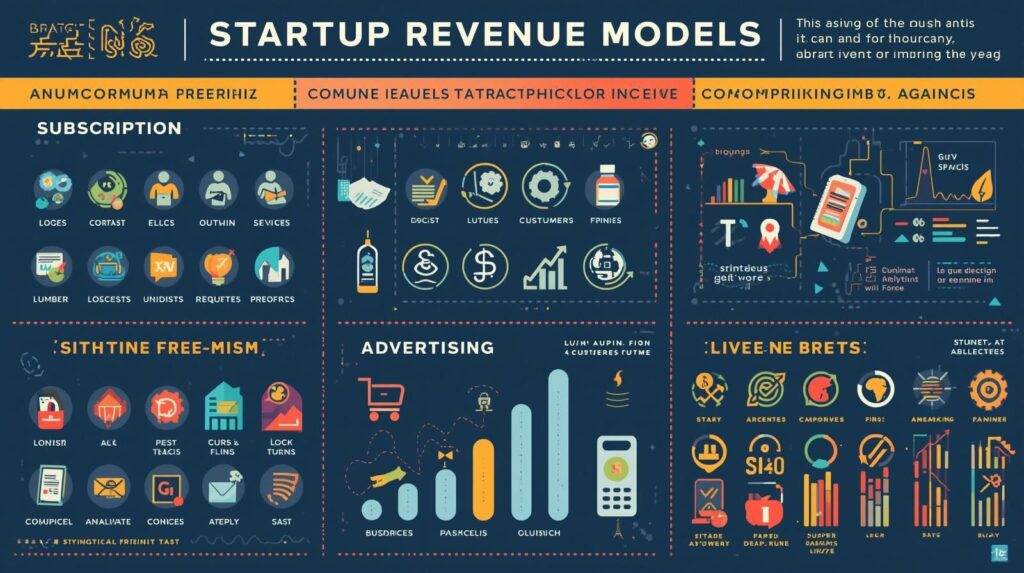
Revenue explains the operational side of how startups make money. Common US revenue models include subscriptions, usage-based pricing, marketplaces, SaaS licensing, and e-commerce. Revenue validates the business and supports Startup valuation growth.
Revenue alone doesn’t mean profit. Many startups earn millions yet reinvest everything. Investors look at scalability, margins, and retention. Strong revenue models attract Venture capital (VC) and support future funding rounds.
How Startup Funding & Dilution Affect Earnings

Funding accelerates growth but reduces ownership. This process is known as Venture capital dilution. Every funding round trades equity for capital. This is Founder dilution explained in simple terms.
Across Startup funding rounds, ownership gradually decreases. Down rounds can hurt because they reduce valuation. Still, dilution can increase total wealth if the company grows faster than ownership shrinks. This balance defines how startups make money with investors involved.
| Round | Typical Dilution |
| Seed | 15% – 25% |
| Series A | 20% – 30% |
| Series B | 15% – 25% |
| Series C | 10% – 20% |
Selling Secondary Shares – Early Cash-Out Option

Secondary share sales allow founders to sell part of their equity before an exit. This trend is growing in the US startup market. It explains selling secondary shares as a liquidity option, not a full exit.
Founders use secondary sales to reduce personal risk. However, selling too much can reduce motivation and control. A balanced approach improves focus while preserving upside. This answers when can founders sell their shares? realistically.
Startup Exits – The Biggest Way How Startups Make Money

Exits represent the final and most powerful form of how startups make money. Acquisitions, mergers, and IPOs convert equity into cash. This is where Startup exit and founder earnings become real.
Most founders earn nothing until exit day. When an exit happens, the founder’s net worth from equity materializes quickly. A single successful exit can outweigh years of low salary and risk. This is why exits matter more than revenue alone.
How Startup Investors Make Money
Investors earn money primarily through equity growth and exits. They accept high risk because returns can be massive. Most startups fail. A few big wins fund the entire portfolio. This is how Venture capital (VC) works.
Investors also participate in Secondary share sales and occasional dividends. Their success depends on timing, selection, and patience. Understanding investor incentives helps founders align strategy and unlock better funding terms.
Risks, Reality & Smart Advice on How Startups Make Money
The truth about how startups make money is harsh. Most startups fail. Revenue doesn’t guarantee survival. Poor planning destroys value quickly. Founders must balance Startup CEO salary, equity, and growth wisely.
Smart founders rely on data, including Payroll data, and guidance from the Board of directors. Sustainable success comes from discipline, not hype. Long-term thinking separates durable startups from short-lived experiments.
Final Thoughts
In the US startup ecosystem, how startups make money is a long game. Salary supports survival. Equity builds wealth. Funding accelerates growth. Exits unlock value. Founders who understand this full system make better decisions, attract stronger investors, and build companies that last.
FAQs
What business can make $10,000 a month?
Many businesses can reach $10,000 a month with the right execution. Popular options include SaaS products, digital marketing agencies, online coaching, e-commerce brands, subscription websites, and local service businesses like cleaning or HVAC. Consistent demand, scalable pricing, and repeat customers matter more than the idea itself.
Why do 90% of startups fail?
Most startups fail because they solve the wrong problem. Poor market demand is the biggest reason. Other common causes include running out of cash, weak pricing models, bad team dynamics, and scaling too early. Many founders also underestimate competition and overestimate growth speed.
How do startups get paid?
Startups get paid mainly through customers and investors. Customer payments come from sales, subscriptions, or usage-based pricing. Founders also earn through salaries and equity. Investors pay startups by buying ownership during funding rounds, hoping future growth increases the company’s value.
Is $5,000 enough to start a business?
Yes, $5,000 can be enough to start a business if costs stay low. Service-based businesses, freelancing, consulting, content creation, and small online stores often start with less. The key is focusing on skills, time, and demand instead of expensive offices or inventory.
How to turn $5,000 into $1 million?
Turning $5,000 into $1 million usually requires time, reinvestment, and smart risk-taking. Many founders use it to start a scalable business, then reinvest profits. Others invest in skills, products, or assets that compound over years. There are no guarantees, only strategy and patience.
What is the cheapest successful business to start?
The cheapest successful businesses often rely on skills rather than capital. Freelancing, online tutoring, social media management, copywriting, consulting, and content creation are common examples. These businesses need minimal upfront costs and can grow steadily with consistent clients.

One Response